
Chous Ceramics
Greece
Read full bio
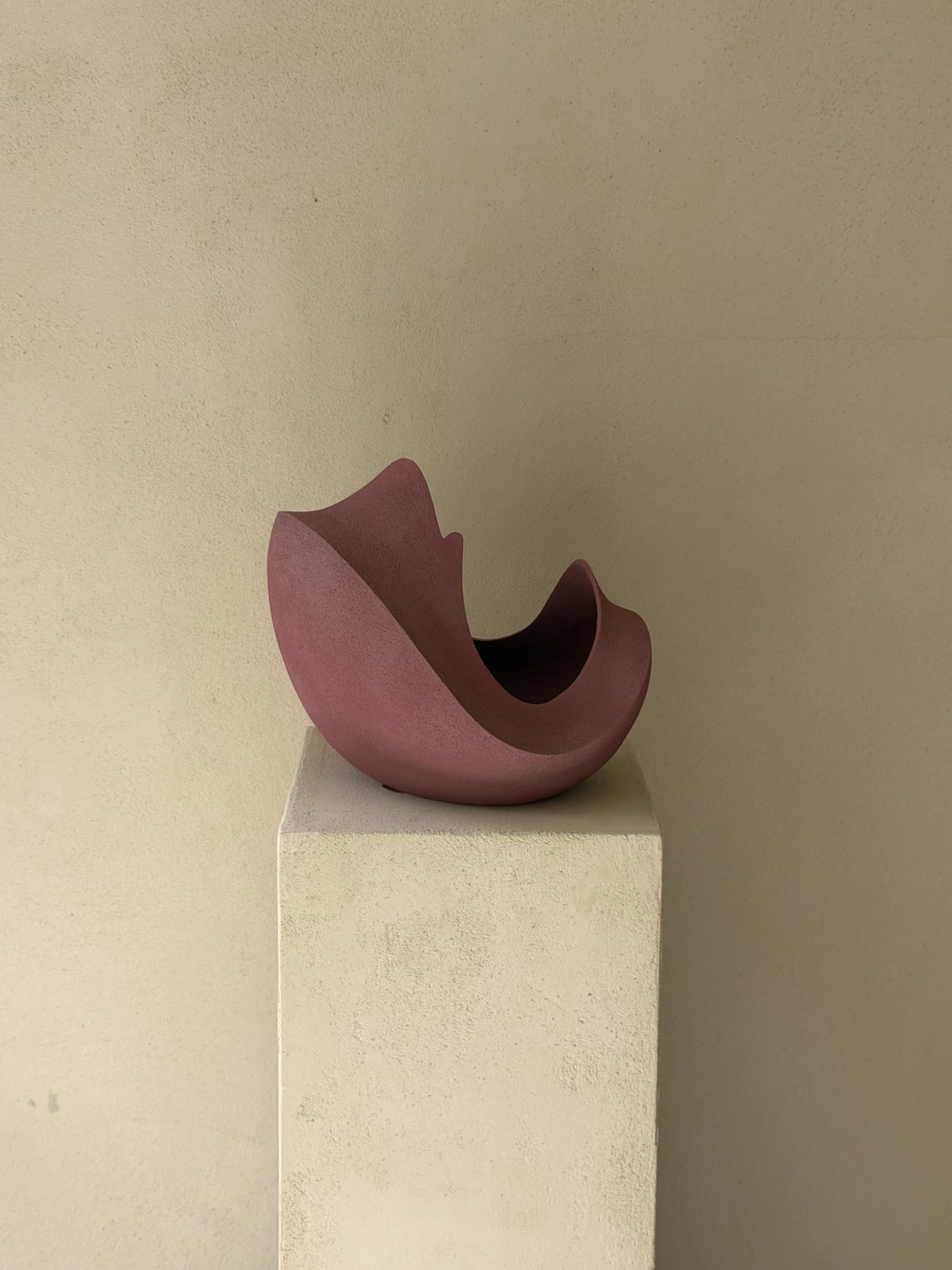
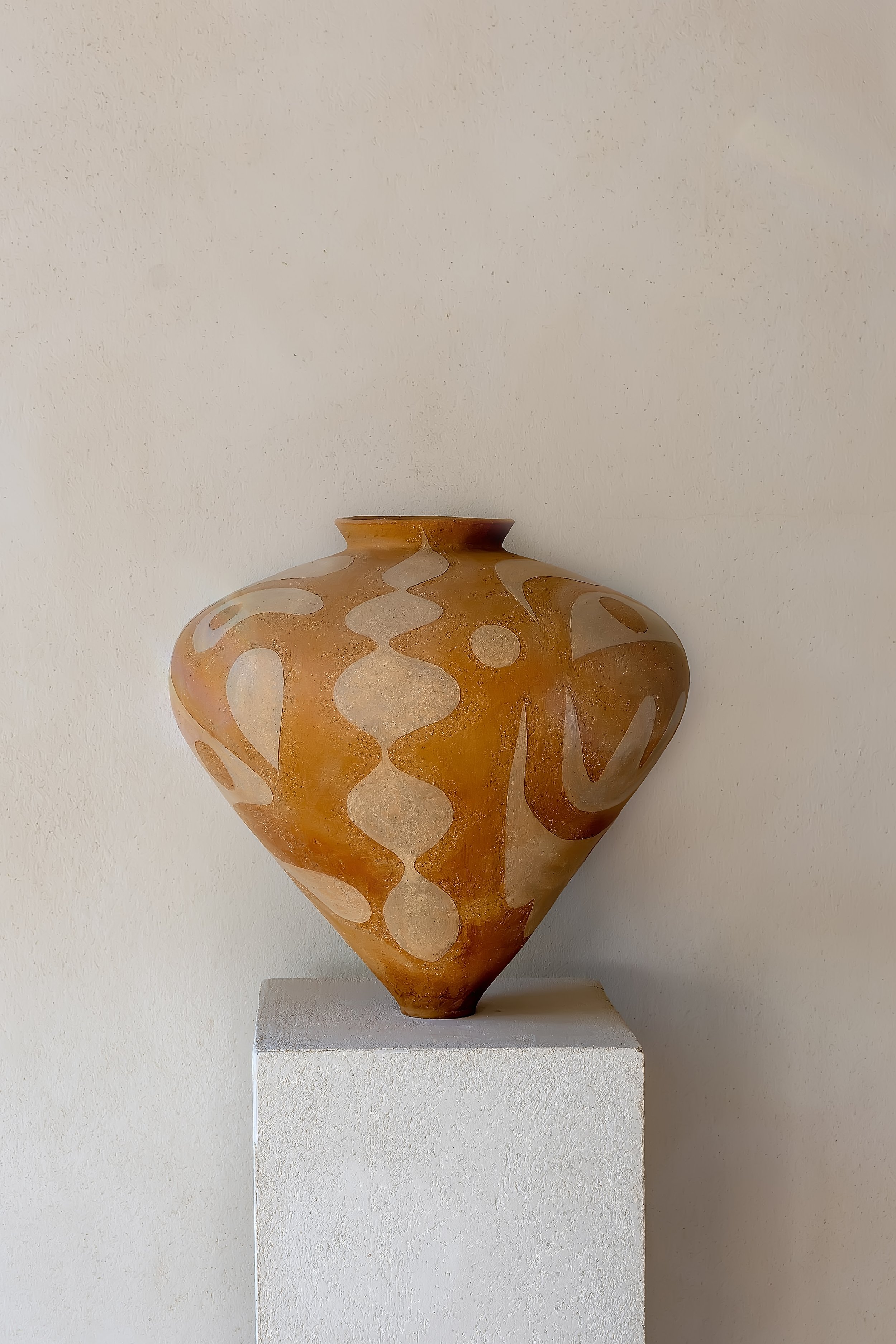
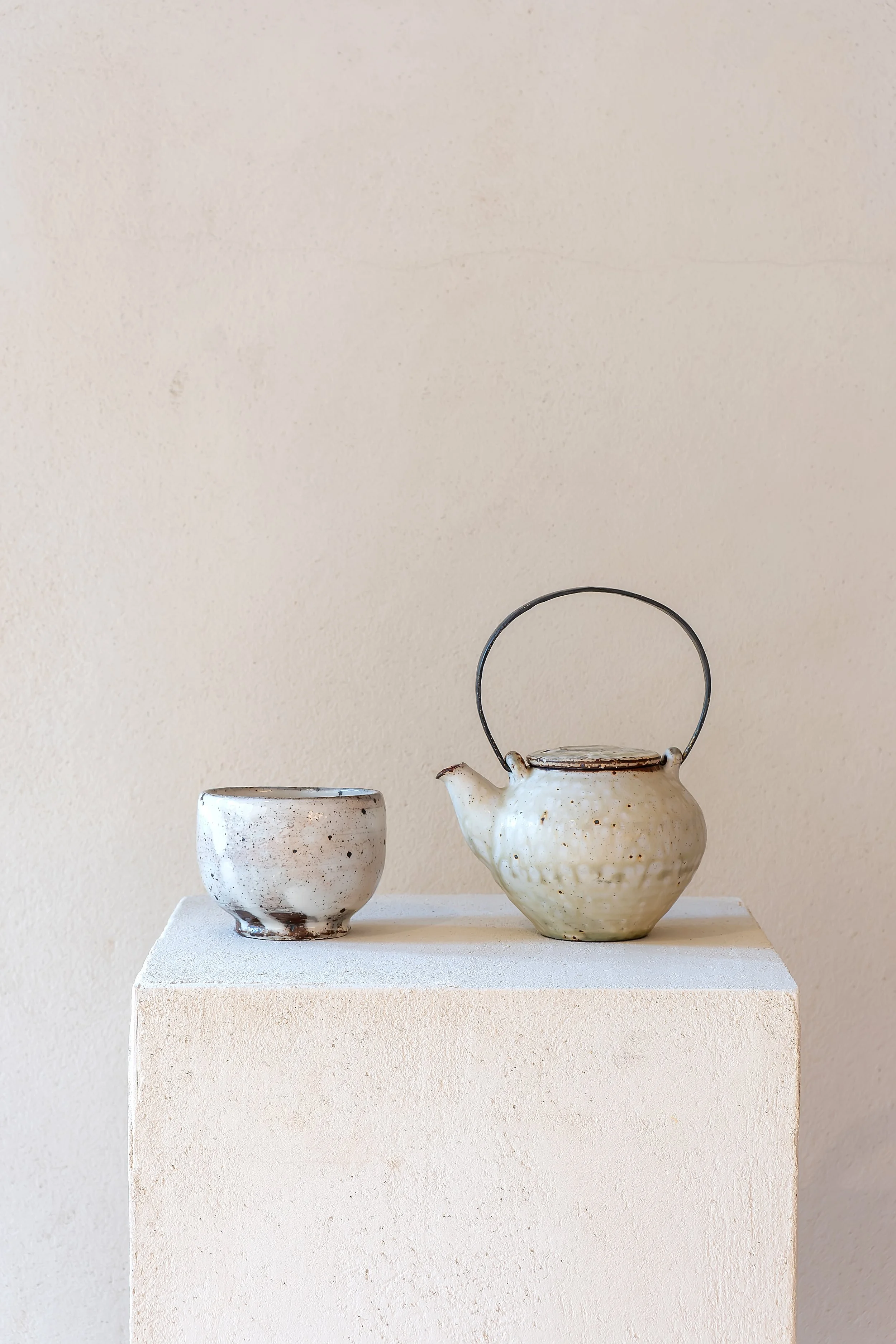
Chous Ceramics is a contemporary ceramic studio founded in 2024 by Despina Chroni and Giorgos Zitis in Sparta, Greece. Rooted in a love for timeless craftsmanship, the studio has already found an international audience, with work exhibited at Viaggio Attraverso la Ceramica in Vietri sul Mare, Italy. Their journey brings together two different worlds. Giorgos, with a Master's degree in Digital Arts from the Athens School of Fine Arts, brings a deep understanding of visual storytelling. Despina left a fifteen-year career in banking to follow her passion for clay, embracing a slower, more creative way of life. Working side by side in their Spartan studio, they shape each vessel by hand using the ancient coiling technique, finishing every piece with luminous Terra Sigillata slips. Their work is a quiet conversation between form, light, and shadow—where tradition meets a contemporary spirit, and every piece carries the warmth of the human hand.
Laura Ramirez
Spain
Read full bio
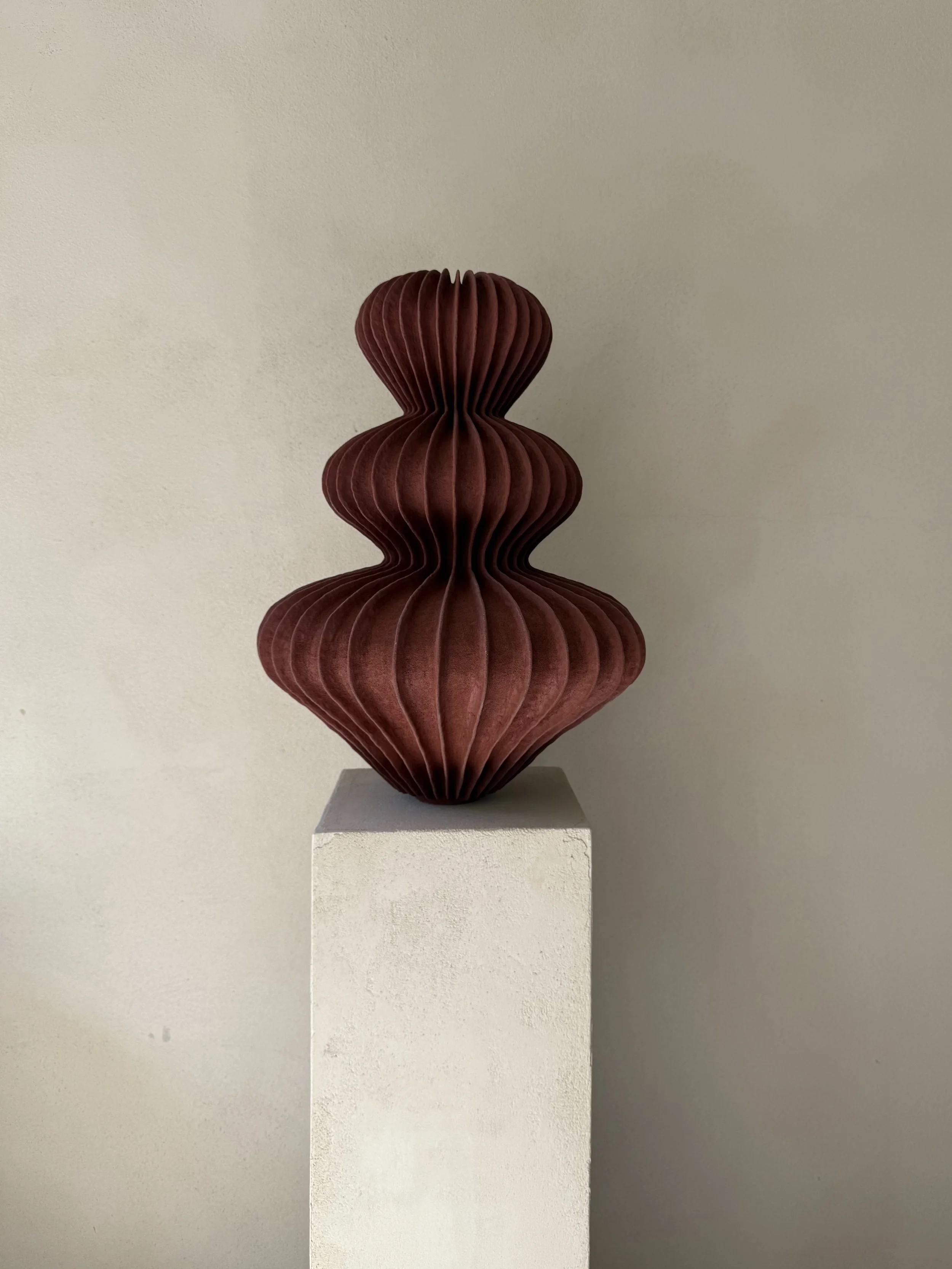
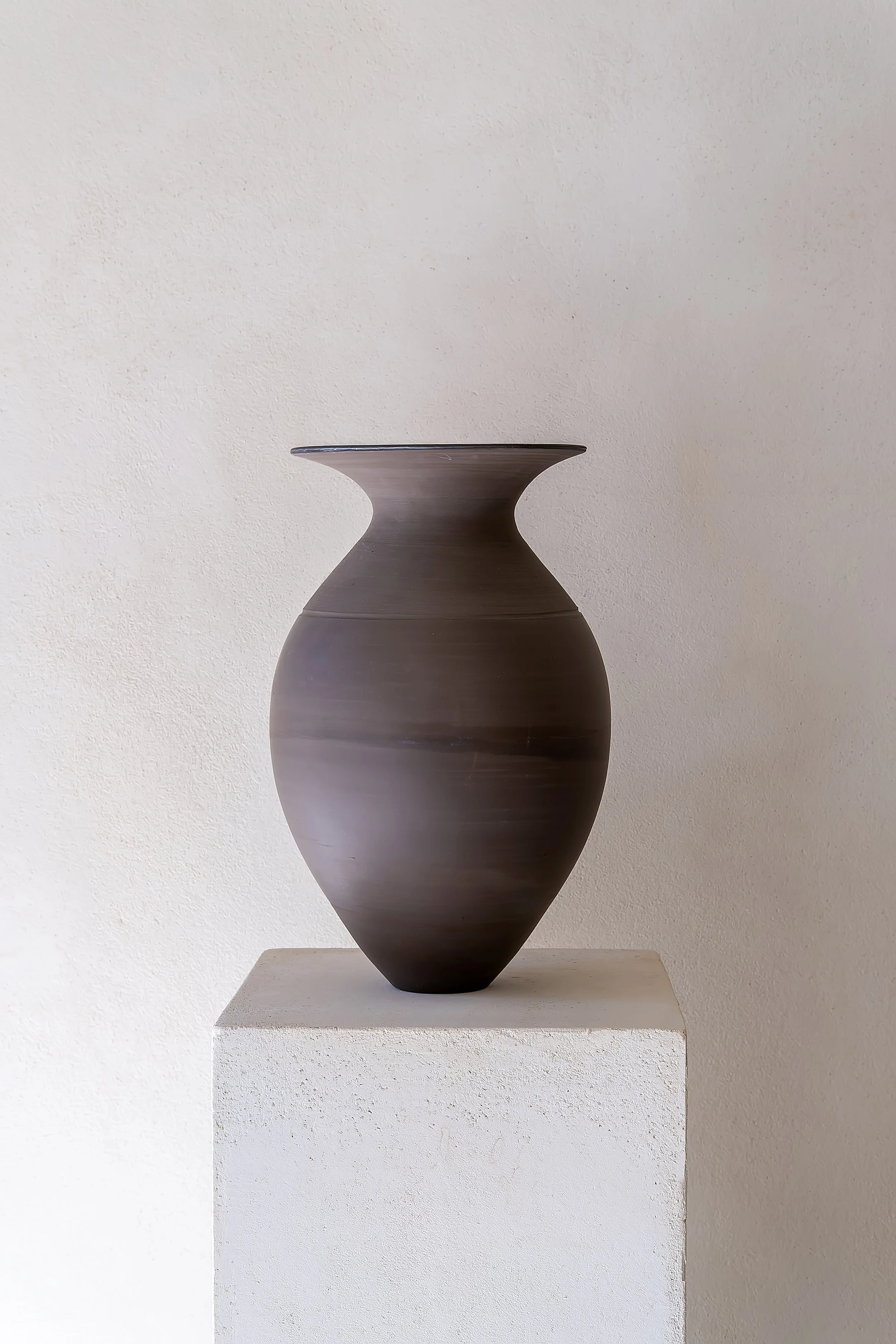
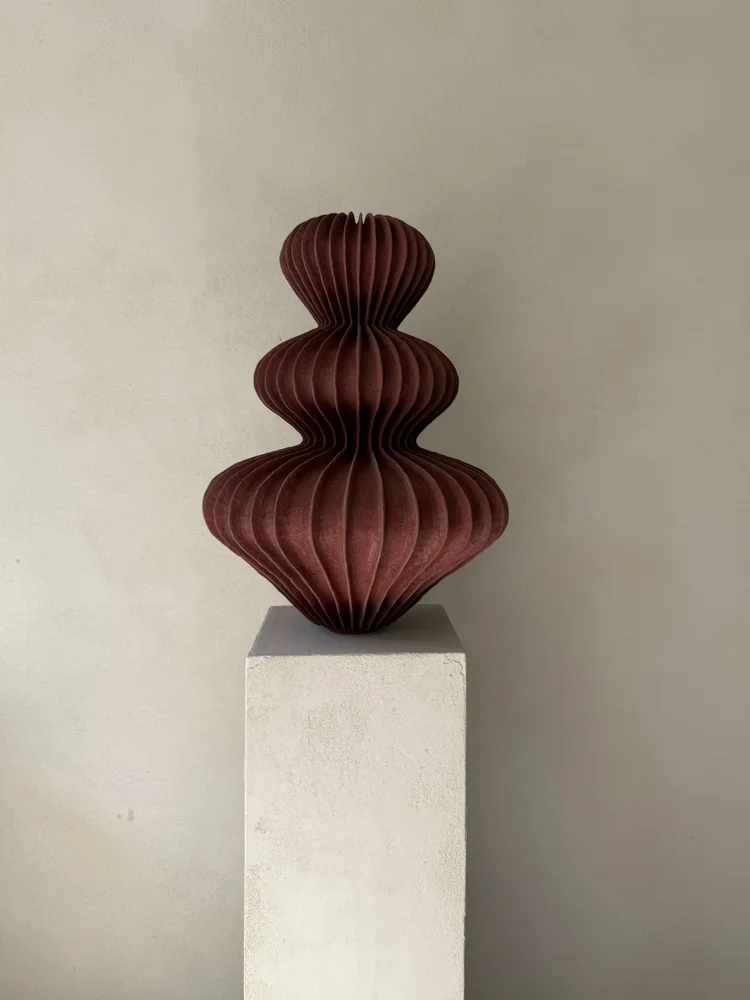
Laura Ramirez is a Spanish-Australian ceramic artist based in Madrid whose practice centres on hand-built sculptural ceramics shaped through rhythm, structure, and organic movement. Working primarily with coiling and hand-building techniques, she explores the tension between refinement and rawness, allowing traces of process and materiality to remain visible within the final work. After living in Australia for eleven years, Ramírez graduated in 2022 with a Bachelor of Fine Arts, majoring in Ceramics, from the National Art School in Sydney. Her experience of living and studying between cultures continues to inform her practice through themes of displacement, belonging, and connection. Drawing inspiration from recurring structural patterns found in both living systems and natural material formations, her sculptures reference lamellar structures, membranes, filaments, and layered organic forms. Rather than pursuing direct representation, Ramírez works intuitively, allowing each piece to evolve gradually through repetition, growth, and responsiveness to material. Each sculpture is slowly constructed by hand through multiple stages of building and refinement. This deliberate and time-intensive process is central to her practice, reinforcing the balance between precision and organic irregularity. Surfaces are often left raw, preserving texture, tactility, and visible traces of making that emphasise the physical and sculptural presence of the work.
Maria De Haan
Spain
Read full bio
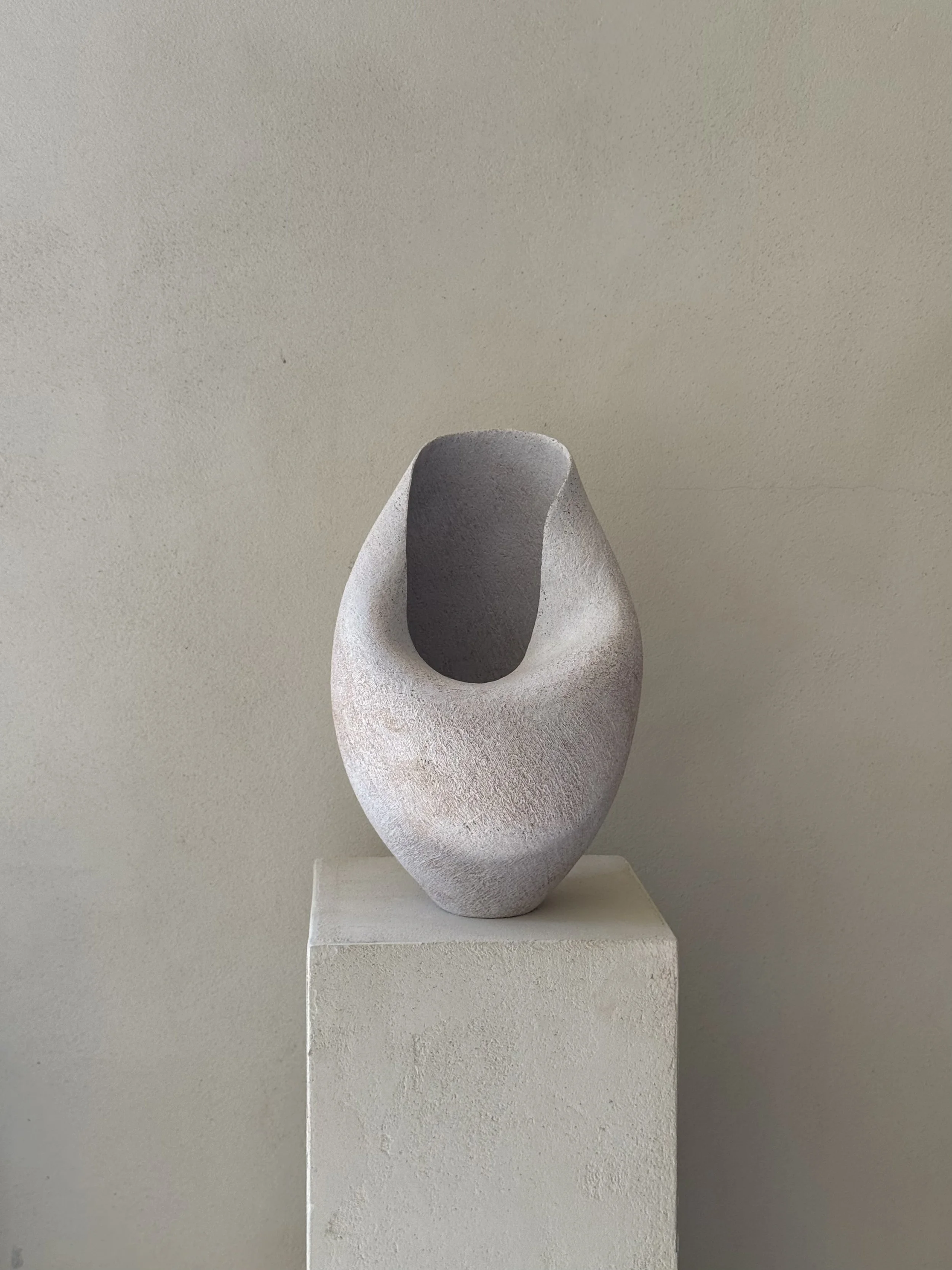
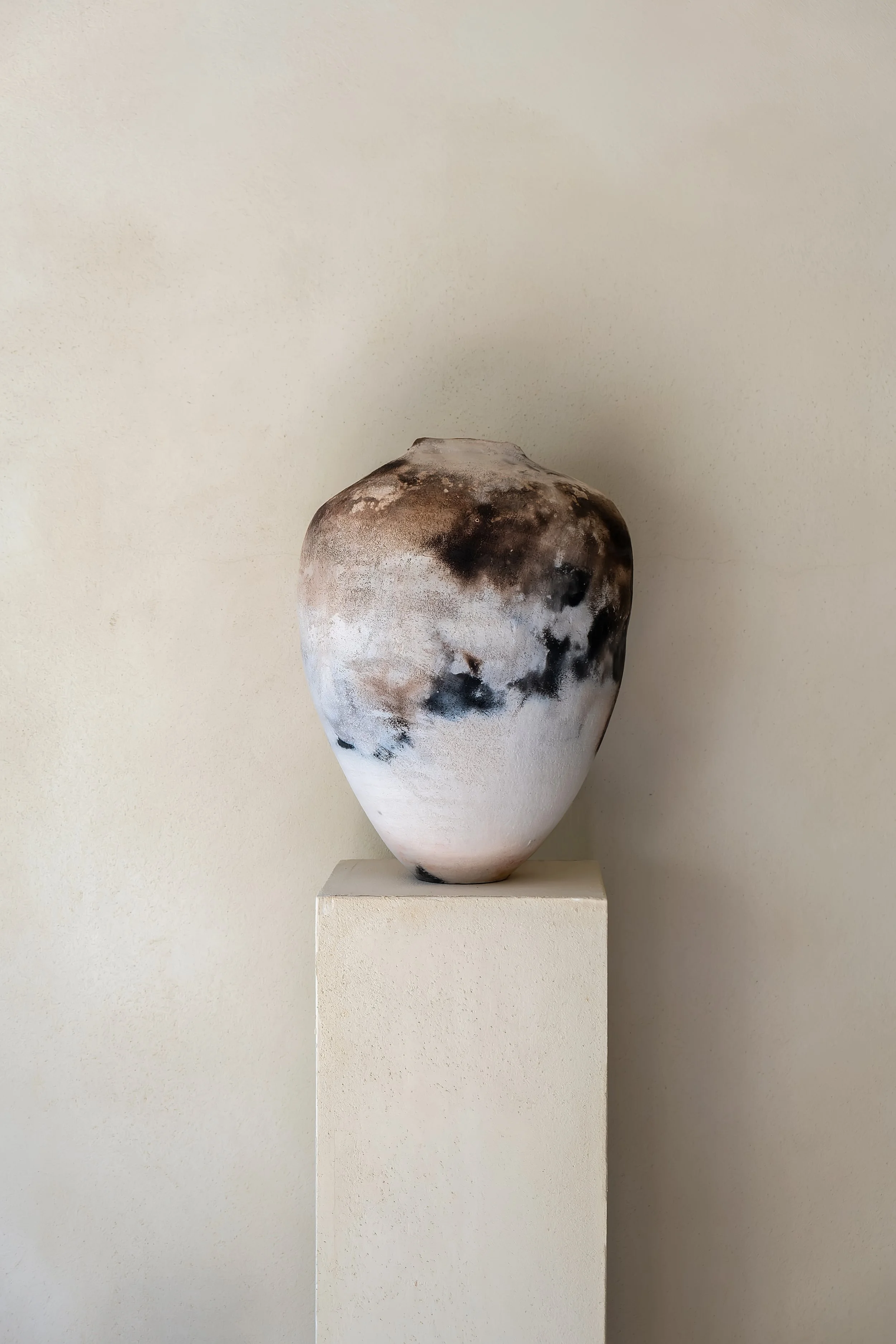
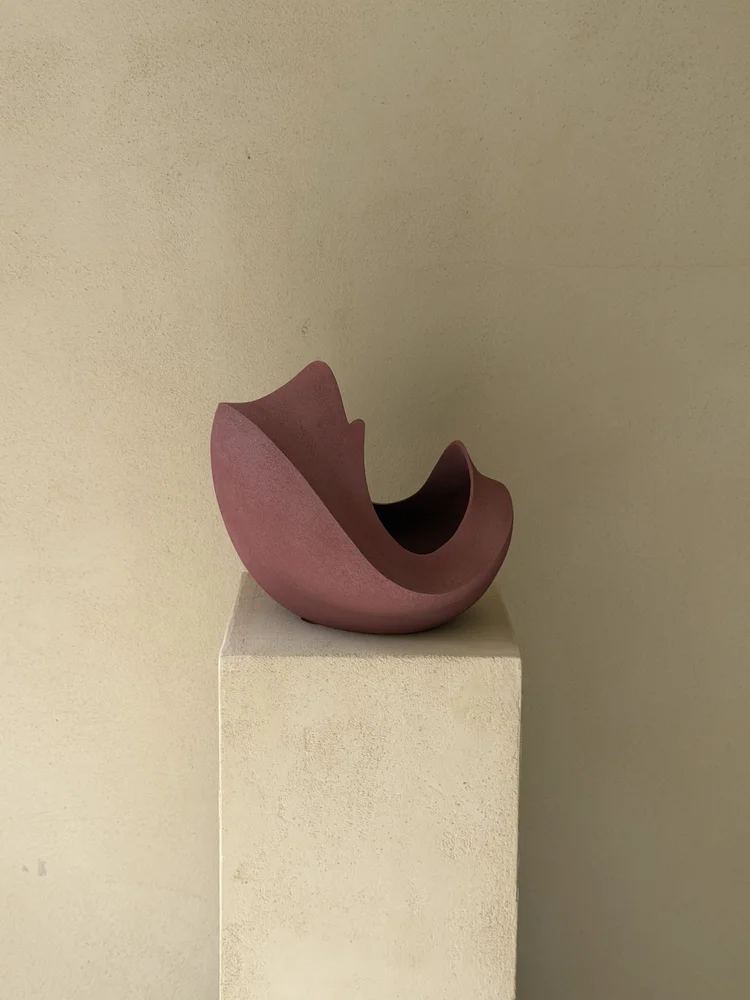
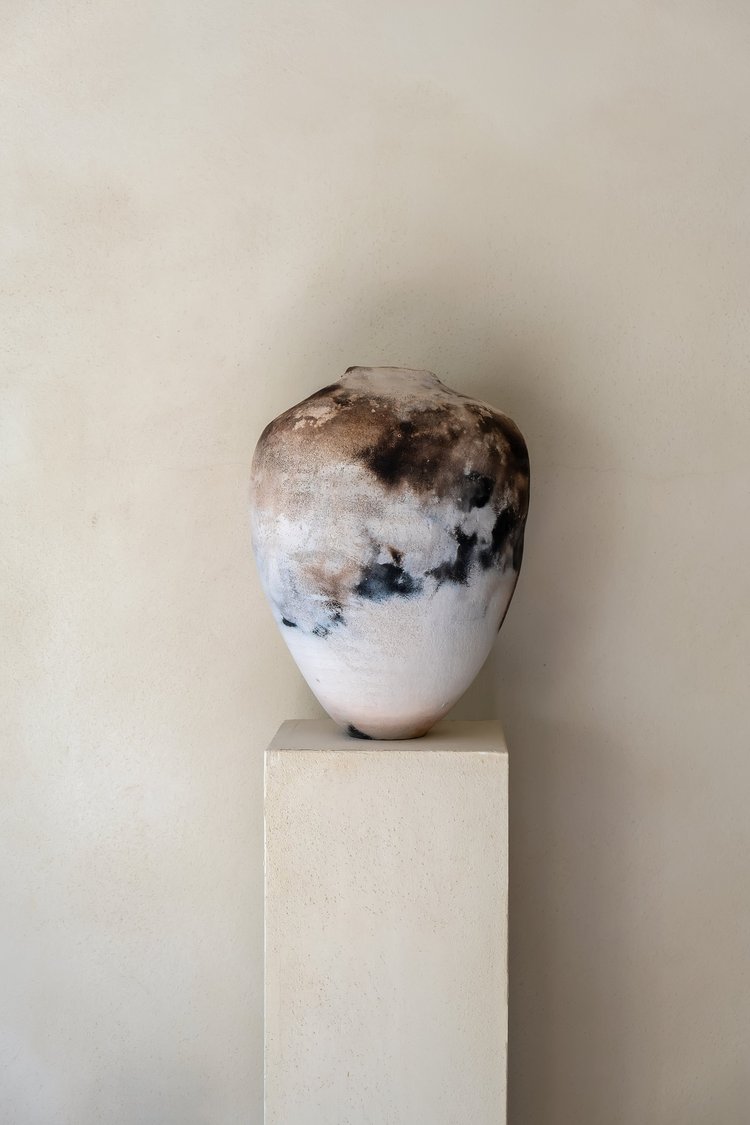
Maria De Haan is a British-Spanish ceramic artist recognised for her smoke-fired sculptures and contemporary ceramic forms. Drawing inspiration from the rugged landscapes of Mallorca, the underwater coral formations she encountered while living in the West Indies and the raw beauty of the natural world, her work explores texture, movement and organic form. Through smoke-firing and an intuitive making process, each sculpture develops its own distinctive surface, celebrating the unpredictable dialogue between clay, fire and atmosphere. After establishing her first studio in London, Maria divided her time between London and the West Indies before relocating permanently to the UNESCO World Heritage village of Deià, Mallorca, in 2015. Surrounded by the dramatic Serra de Tramuntana and the Mediterranean Sea, the island continues to shape her artistic practice, inspiring sculptural works that evoke weathered stone, coastal erosion and the quiet rhythms of nature. Working primarily in stoneware, Maria creates one-of-a-kind sculptures that embrace the expressive qualities of clay and the transformative effects of smoke-firing. Rather than striving for perfection, she allows subtle irregularities and the marks left by fire to become an integral part of each piece, creating works that possess a quiet strength, timelessness and tactile presence. Alongside her artistic practice, Maria founded De Haan Gallery Studio in Deià, an international gallery dedicated to contemporary ceramics through exhibitions, artist residencies and workshops. Today, it has become a destination for collectors, artists and ceramic enthusiasts from around the world. Maria's work is held in private collections internationally.
Hüseyin Artik
Turkey
Read full bio
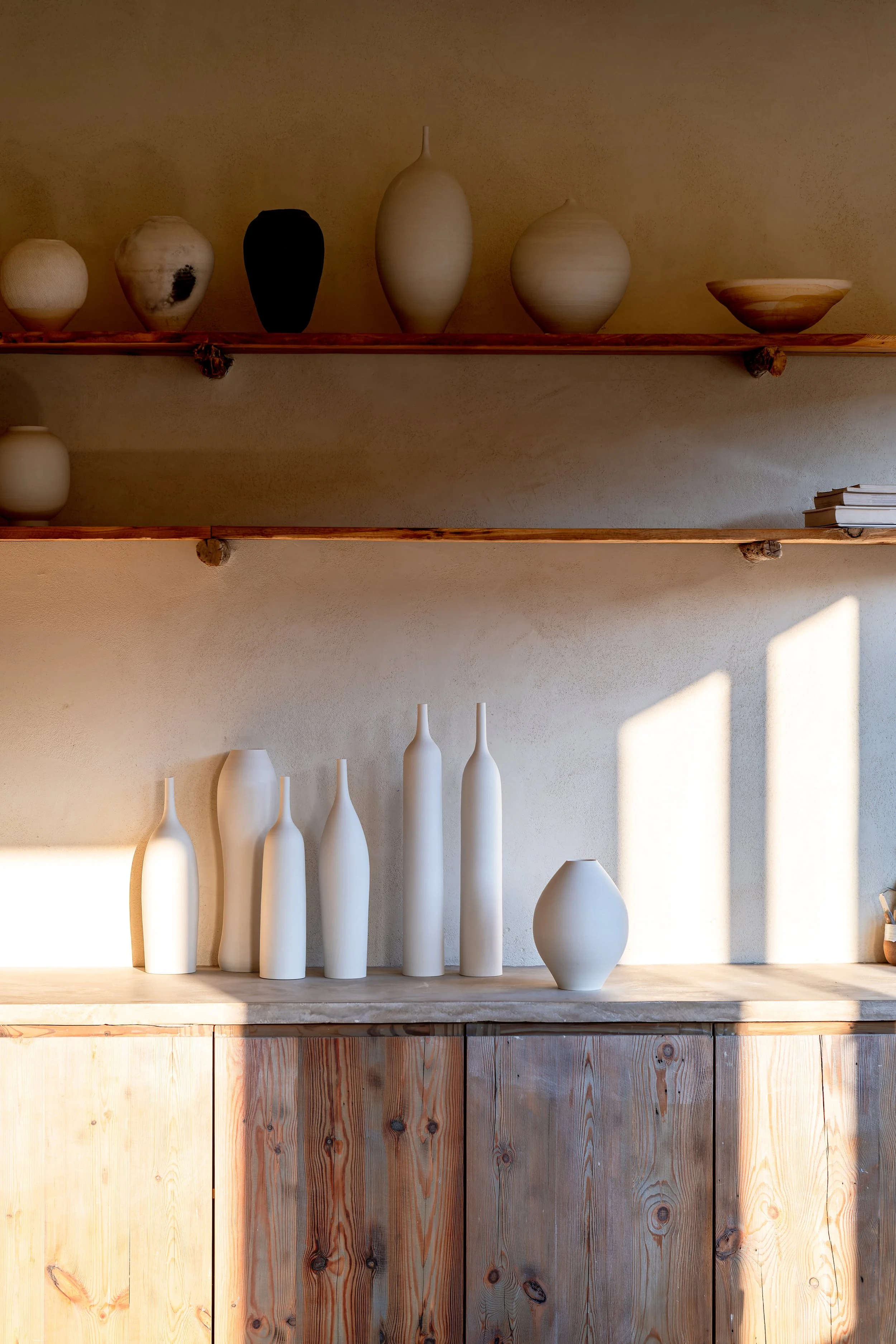
Hüseyin Artik is an artist and potter from Bursa, Turkey, who's gained an international reputation for his exquisite bottle forms and unique pieces. He specializes in tableware ranges and creates individually designed collections in collaboration with global brands. Artik's work is characterized by minimalism and monochromatic tones, featuring clean, crisp lines and measured proportions. He currently focuses exclusively on porcelain, pushing the material to its limits with intricate large-scale bottles and elegantly curvaceous bowls.
Yasha Butler
Ireland / Istanbul
Read full bio
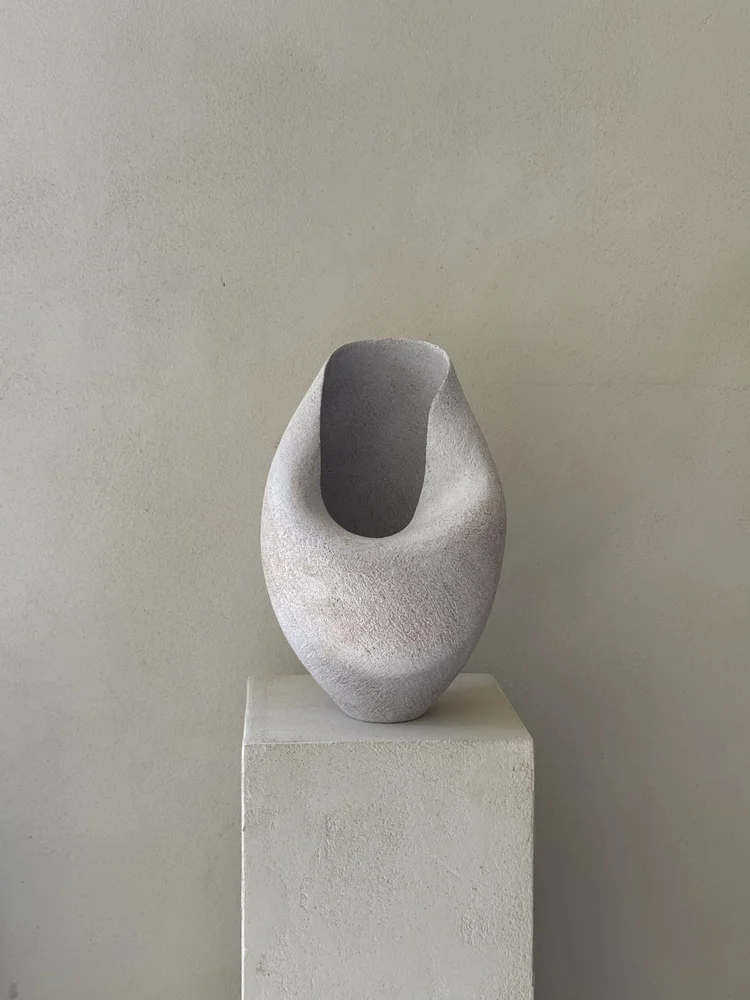
Yasha Butler is a Turkish ceramic sculptor based in Ireland, and Istanbul, Turkey. She creates minimalist ceramic artwork that draws inspiration from nature, antiquity, and the beauty of life's imperfections. Butler has lived and worked around the globe, studying ceramics, participating in residencies, and opening studios in the United States and her native Istanbul. Her work has been exhibited in galleries throughout the United States, Europe, and Turkey.
Lena Harms
Germany
Read full bio
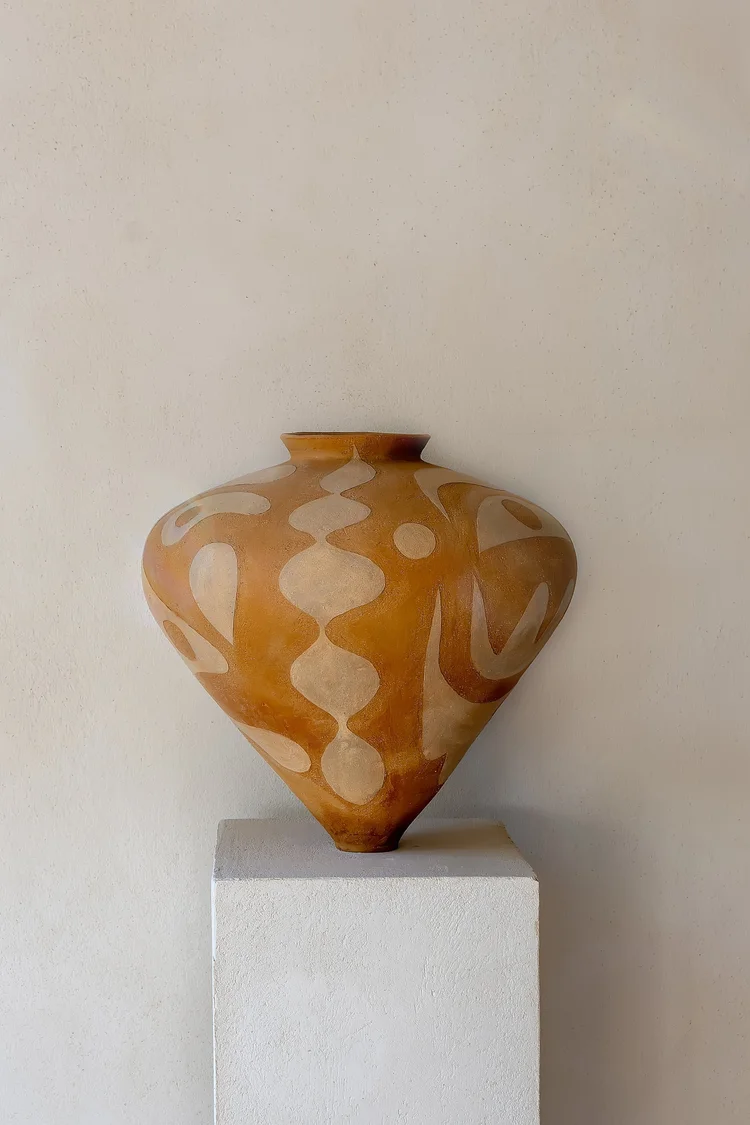
Lena Konstanze Harms (b. 1988, Munich) is a ceramic artist with a background in product design. For over seven years, she has worked primarily with hand-building techniques—coil and slab—eschewing mass production in favor of a slow, deliberate process. Her practice centers around the Japanese Nerikomi method, layering and inlaying colored clays to create intricate patterns. Each vessel, even functional forms like cups, becomes a unique, painterly composition.
Deeply inspired by nature's textures, colors, and contrasts—as well as traditional craft practices from around the world—Harms explores themes of identity, belonging, and the longing for a life more rooted in the natural world. Her work is a response to the pace of contemporary life, offering a tactile and meditative alternative through quiet, intentional making.
She currently lives and works in Munich.
Deeply inspired by nature's textures, colors, and contrasts—as well as traditional craft practices from around the world—Harms explores themes of identity, belonging, and the longing for a life more rooted in the natural world. Her work is a response to the pace of contemporary life, offering a tactile and meditative alternative through quiet, intentional making.
She currently lives and works in Munich.
Álvaro Villamañán
Spain
Read full bio
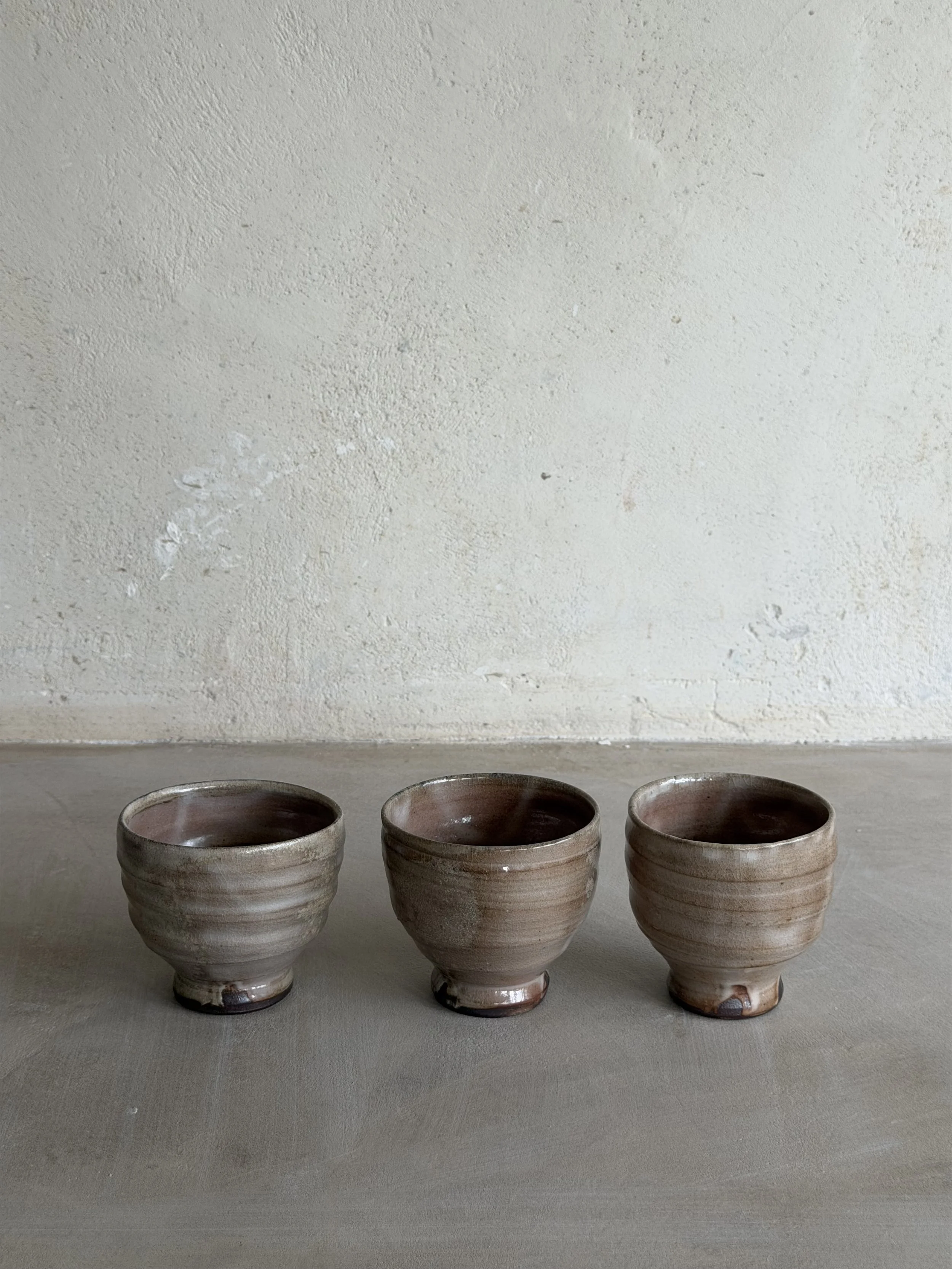
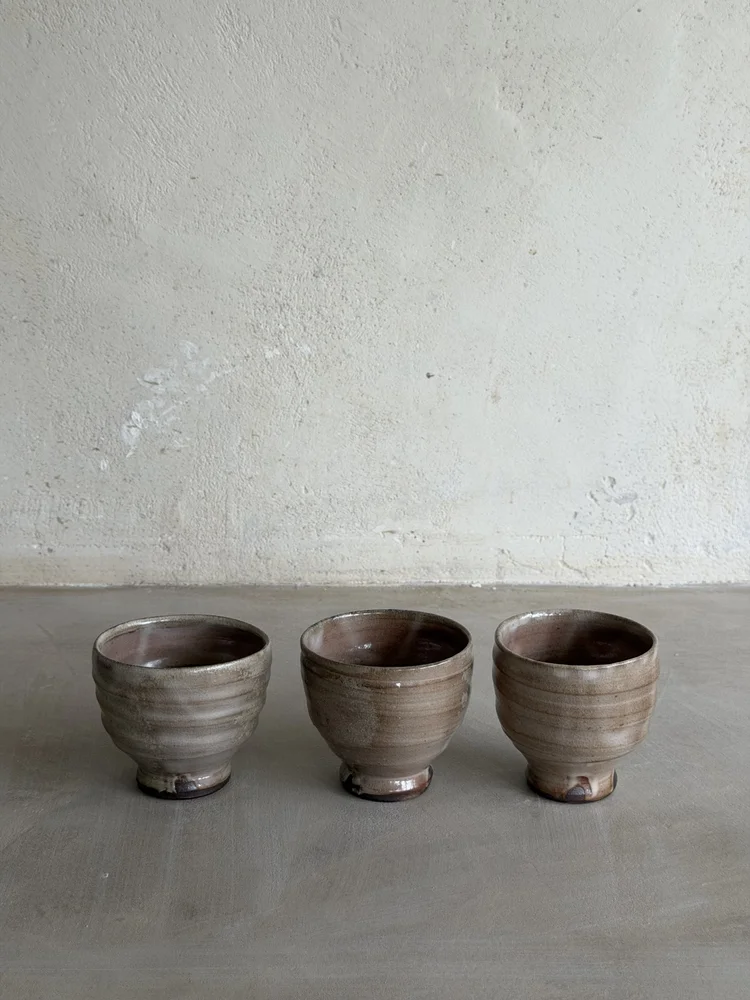
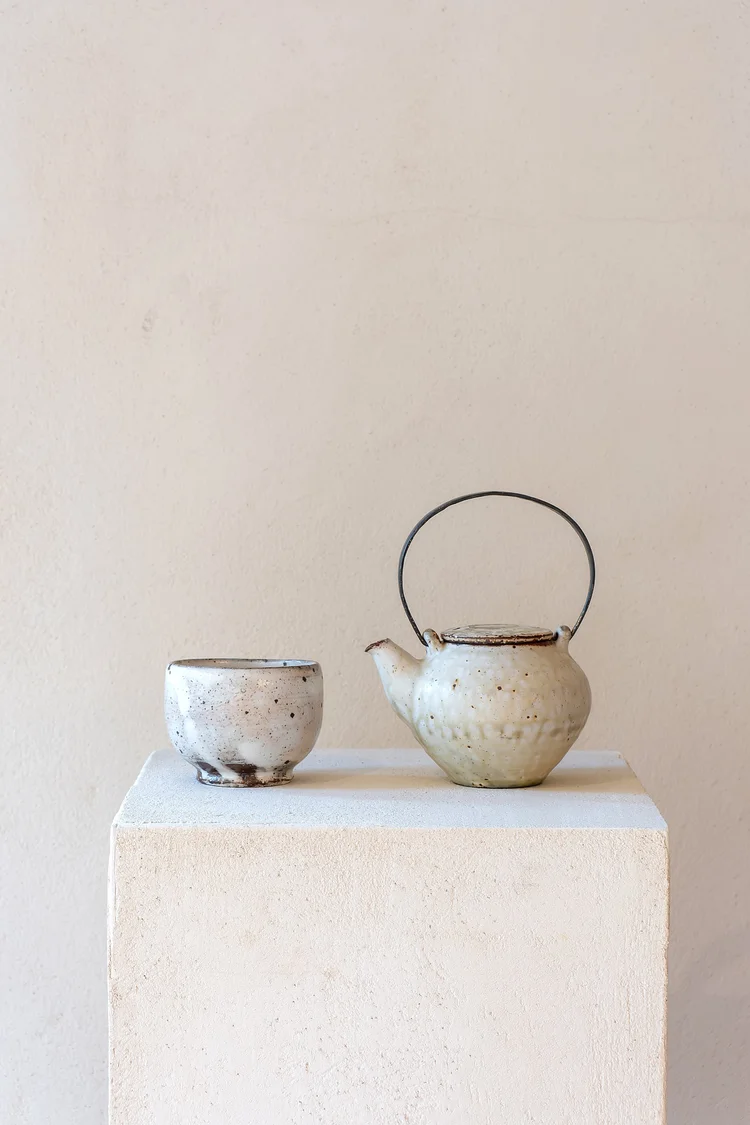
1. Álvaro Villamañán is a Spanish ceramic artist based in Madrid, where his practice has grown through years of exploration, curiosity, and a deep connection to the material. Guided by process and intuition, he has developed a distinctive visual language in which each piece reflects a balance of tradition, experimentation, and the quiet beauty of making. His work explores three principal approaches. Kohiki and Buncheong-inspired techniques shape many of his functional vessels and tableware, distinguished by soft surfaces, gentle textures, and a sense of understated elegance. His Shino ceramics introduce warm, earthy tones that create a natural dialogue with the lighter Kohiki forms. Alongside these functional works, Villamañán creates sculptural pieces fired in an Anagama kiln. Influenced by the traditions of Shigaraki ceramics, these unglazed stoneware works celebrate the unpredictable beauty of fire. Made from low-iron stoneware rich in feldspar, each piece is transformed by the kiln, where natural ash settles on the surface, leaving unique textures and markings that can never be repeated.
Marco Minetti
United States of America / Korea
Read full bio
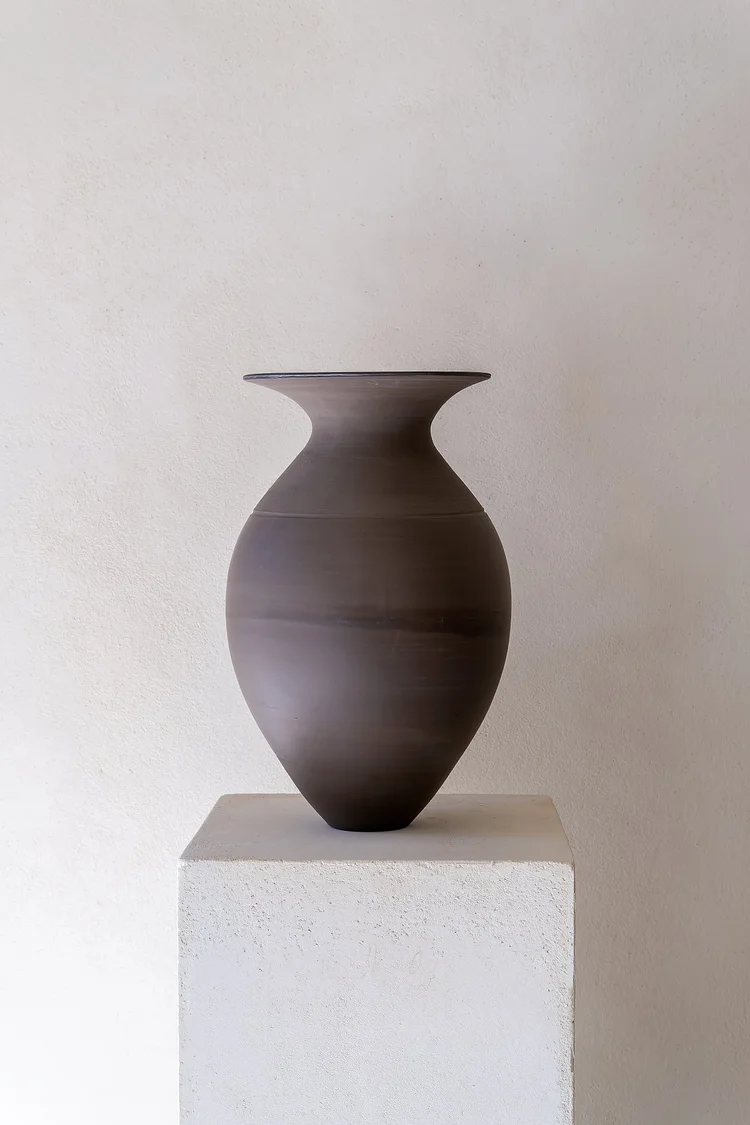
Marco Minetti is an artist creating work from native clays, ashes, and foraged materials. Based in California and Korea, he draws significant influence from ancient East Asian philosophies and practices. Minetti spent five years in Korea, immersing himself in intricate "onggi" techniques used to build large fermentation vessels, studying under master potter Kwak Kyung Tae. He also learnt the art of "buncheong," a type of slipware from rural Korea, which remains a strong element in his work. His creations reflect upon the synergy between humans and nature, manifesting the unpredictable interactions between clay and fire.
Mandy Pang
United Kingdom
Read full bio
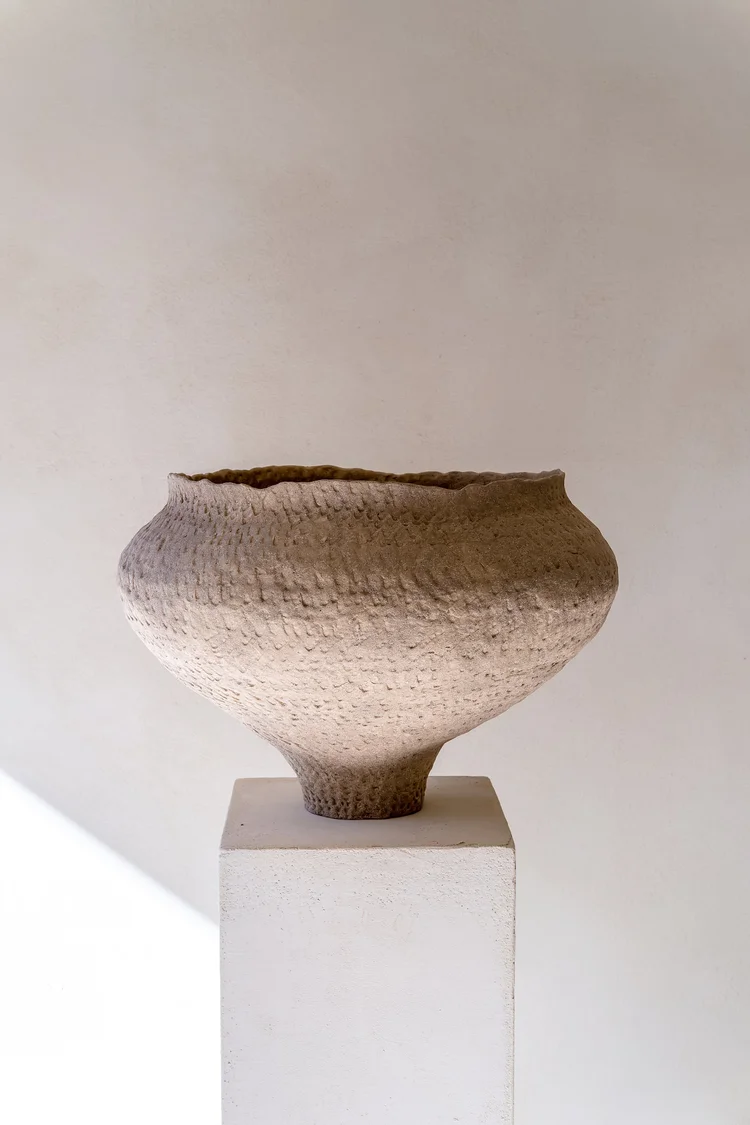
Mandy is a ceramic artist whose practice draws on her Chinese heritage and London identity. Born in London, her work is informed by the rituals, histories, and philosophies of Asian culture, translated into contemporary forms and sensibilities.
She began working with clay during an artist residency in Jingdezhen, the porcelain capital of China, where she engaged deeply with the material's cultural and historical lineage. Her studies later continued in Japan under the guidance of a 12th-generation master potter, where she trained within a traditional Japanese ceramic practice.
Mandy's work is guided by a pursuit of balance, harmony, and restraint, and by a respect for clay in its most essential state. Her practice is rooted in the ceremonial traditions of tea (cha-do), incense (kō-dō), and flowers (ikebana). She also works with kintsugi, embracing repair as both a sustainable act and an aesthetic philosophy that honours imperfection.
She began working with clay during an artist residency in Jingdezhen, the porcelain capital of China, where she engaged deeply with the material's cultural and historical lineage. Her studies later continued in Japan under the guidance of a 12th-generation master potter, where she trained within a traditional Japanese ceramic practice.
Mandy's work is guided by a pursuit of balance, harmony, and restraint, and by a respect for clay in its most essential state. Her practice is rooted in the ceremonial traditions of tea (cha-do), incense (kō-dō), and flowers (ikebana). She also works with kintsugi, embracing repair as both a sustainable act and an aesthetic philosophy that honours imperfection.
Sarah Jerath
United Kingdom
Read full bio
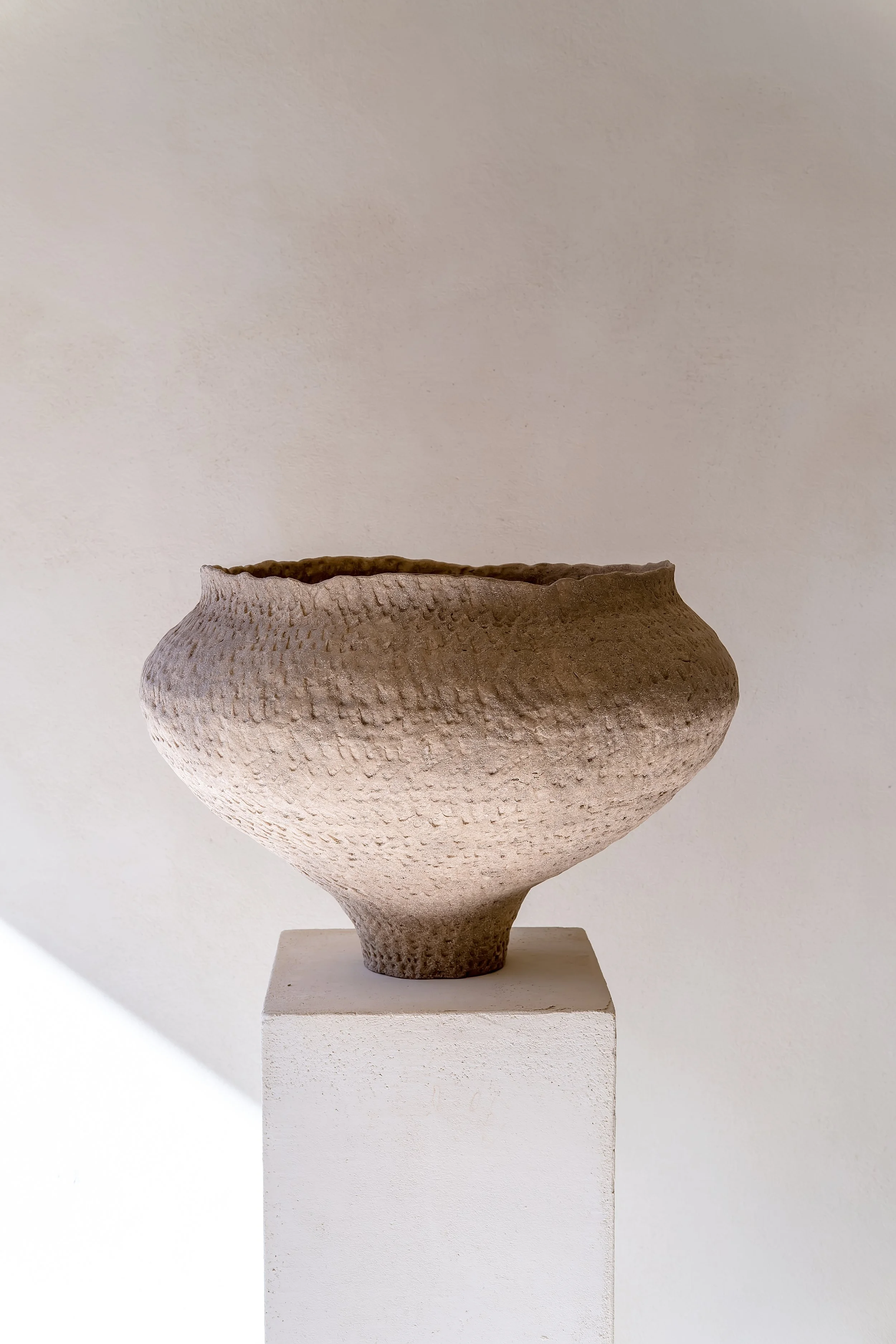
Sarah Jerath is an artist from the UK. Her organic forms are influenced by ancient primitive pottery, resonating with a song and rhythm that echo the elemental aspects of nature. Jerath utilizes natural materials, such as tree ash and minerals, to produce works that exhibit a simple and organic aesthetic.